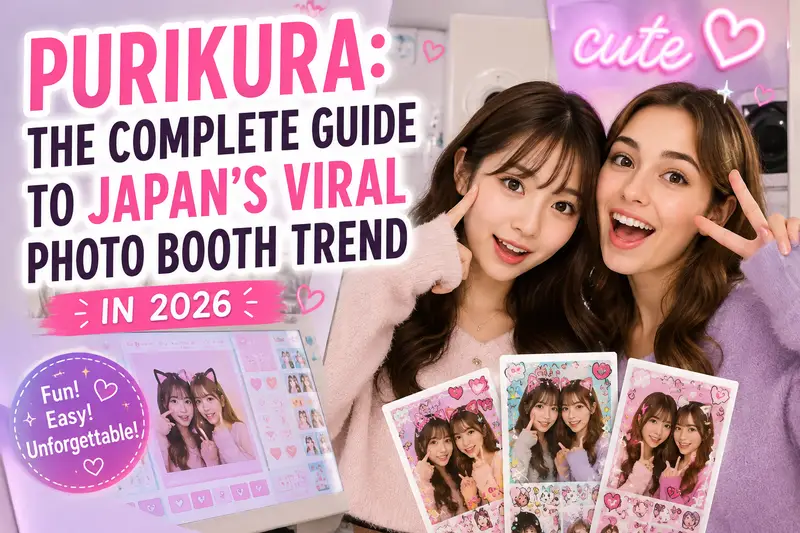
The machine that started Japan’s photo-booth obsession is 30 years old. The version tourists are discovering on social media right now looks nothing like it, and everything like it, at the same time.
Most visitors have seen the photos. Almost none of them know what actually happens inside the booth.
⭐ Bottom Line
Purikura is Japan’s decorated photo-sticker booth, costing ¥400–¥800 ($2.50–$5) per session, and it’s genuinely for everyone — friend groups, couples, solo travelers, all ages. The photos themselves take seconds; the real experience is the digital decorating session afterward, which can easily stretch the full visit to 10–20 minutes.
- Best for: groups of two to four, though solo sessions are common too
- Budget: ¥400–¥800 ($2.50–$5) per session — cash in ¥100 coins is the most reliable payment method, though this varies by venue
- Book ahead: not needed — walk-in only, though the most famous locations get crowded on weekends
Purikura (a shortening of “print club”) began in 1995 with a single machine from Sega and Atlus, and 2025 marked its 30th anniversary. According to a 2025 Toyo Keizai Online report, 86% of current Japanese teenage girls use purikura, and a viral nostalgia trend has adults born in the 1990s sharing their old purikura photos online — the format never actually went away, even though the same report notes the total market has shrunk to roughly a fifth of its early-2000s peak.
What’s changed for travelers is visibility. Purikura has become a fixture of social media posts about Tokyo, and international visitors are showing up at the same booths Japanese teenagers have used for three decades, often with no idea what the actual process involves beyond “take a cute photo.” Unlike a lot of viral travel trends, this one has an actual 30-year track record behind it, run by the same handful of arcade operators the whole time — it’s not a pop-up or a recent invention dressed up for social media.
The direct answer to what most people searching for this actually want to know: yes, tourists are welcome, no fluency in Japanese is required, and a session costs about as much as a coffee. The rest of this guide covers exactly how it works, step by step, and where to go for it.
What Purikura Actually Is
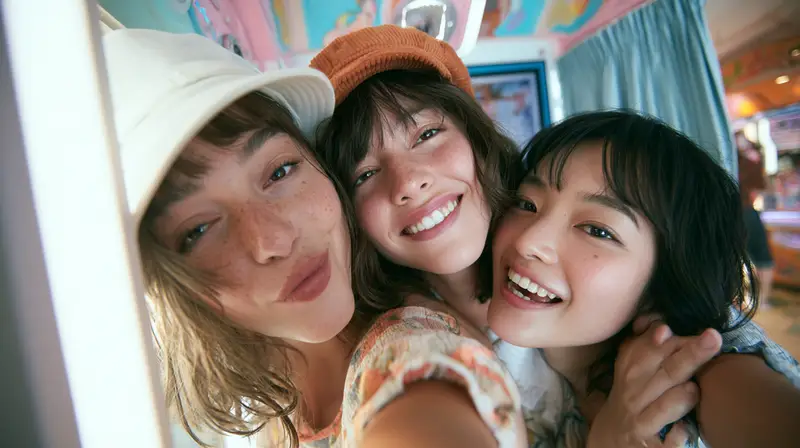
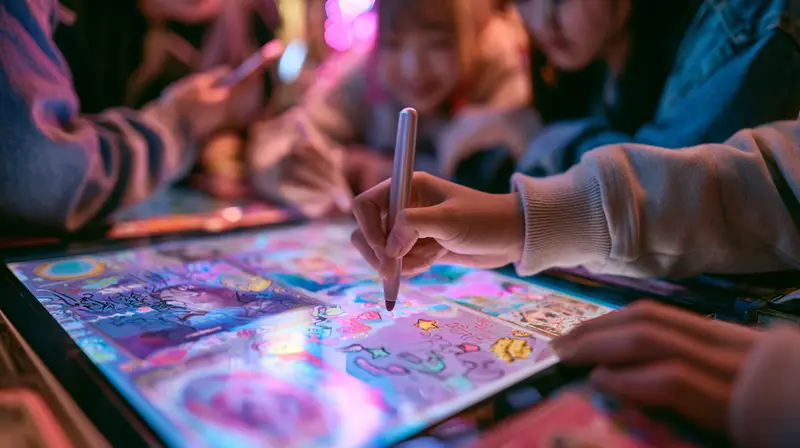
A purikura machine is a photo booth crossed with a stylus-based editing suite. A small group enters a curtained booth, poses for several quick flash photos guided by on-screen prompts, then moves to an attached touchscreen station to decorate the photos with filters, stickers, text, and face-smoothing effects before printing a shared sheet of small stickers. The whole system runs on dedicated arcade hardware, not a phone app, which is part of why the experience feels distinct from anything travelers can replicate at home.
Before You Go: What You Actually Need
Bring ¥100 coins — most machines only accept them directly, though shops keep bill-changing machines nearby that break ¥1,000 to ¥10,000 notes into coins. Budget 20–25 minutes total per session once decorating time is included, not just the couple of minutes the photos themselves take.
Where to Go: Tokyo’s Purikura Destinations
Harajuku’s Takeshita Street is the center of it all — Purikura Land NOA, right near the street’s entrance, is widely recognized as Japan’s original dedicated purikura specialty shop and remains one of the format’s best-known venues, with dozens of machines covering a wide range of styles. Shibuya has its own well-known cluster of machines branded as a purikura “mecca,” generally running the newest hardware with the most advanced editing features. Ikebukuro, particularly around Sunshine City, is a third major hub.
How a Session Actually Works, Step by Step
Pay at the machine or a nearby ticket counter, then choose a machine — each one has a different visual style and filter set, so the choice of machine is really a choice of aesthetic. Step inside the curtained booth with your group and follow the on-screen instructions and voice prompts, which count down and cue poses in Japanese. The camera fires several quick flashes automatically. Once photos are taken, the group moves to an attached touchscreen decorating station, where a stylus is used to add stickers, filters, handwritten text, and automatic skin-smoothing or eye-enlarging effects. When decorating is finished, the machine prints a single sheet of small stickers, perforated so each person can tear off their own copy.
The Editing Screen Is the Real Skill
This is the section most guides for visitors skip entirely, and it’s the part that actually defines the purikura experience. The decorating stage typically offers dozens of sticker sets, background themes, and automatic beautifying filters, and different machines are known among regular users for particular strengths — some are known for flattering skin tones, others for elaborate sticker libraries or anime-style effects.
The Etiquette Nobody Explains to Tourists
Purikura is not exclusively for teenage girls, despite the stereotype — couples, mixed-gender friend groups, families, and solo visitors all use the same machines regularly. One real restriction does exist: some locations don’t allow all-male groups without at least one woman present, a policy some shops adopted after past harassment issues. It’s worth checking a specific shop’s posted rules if visiting as an all-male group.
What to Do With Your Photos After
The printed sheet is cut apart and shared among the group — there’s typically no digital copy or backup unless the specific machine offers an optional app or QR-code download, which varies by model and isn’t guaranteed. Treat the physical sticker sheet as the actual keepsake, the way the format has worked since 1995, rather than assuming a digital version will be waiting afterward. Many visitors keep the small stickers in a phone case, a notebook, or a dedicated purikura album — a genuinely analog habit that’s part of what makes the format feel different from a normal phone photo.
The moment that actually sticks with most first-timers isn’t the photo itself. It’s the strange, cheerful ritual around it — a robotic voice counting down in a language you may not speak, a curtain drawn against the noise of an arcade floor, a stylus passed back and forth while a group argues over which sticker goes where.
It’s a photo booth. It’s also, unmistakably, a small piece of Japanese youth culture that’s been running the exact same way for three decades.
| Location | Neighborhood | Price | Best For |
|---|---|---|---|
| Purikura Land NOA | Harajuku (Takeshita Street) | ¥500–¥800 ($3.25–$5) | First-timers wanting the format’s original, spiritual home |
| Purikura no Mecca | Shibuya | ¥300–¥400 ($2–$2.50) | The newest machines and most advanced editing features |
| Sunshine City arcades | Ikebukuro | ¥400–¥500 ($2.50–$3.25) | Combining purikura with a full day of arcade games |
| Neighborhood game centers | Citywide | ¥400–¥600 ($2.50–$3.75) | A quieter, no-line alternative to the famous spots |
✅ Go if you are:
- traveling with at least one other person, though solo sessions work fine too
- looking for a cheap, fast, genuinely fun activity to slot into a Harajuku or Shibuya day
- comfortable with an interface that’s mostly in Japanese but visually intuitive
- fine with the photos existing only as a physical printed sheet, not a digital file
❌ Skip if you are:
- specifically needing a high-resolution digital copy rather than a small printed sticker sheet
- an all-male group planning to visit a shop with a posted mixed-group policy, without checking first
- on an extremely tight schedule with no 20-minute buffer to spare
- not carrying cash, with no time to find a bill-changing machine first
- Do I need to speak Japanese to use a purikura machine?
- No. The visual flow is intuitive enough for non-Japanese speakers to follow, though the on-screen text and voice prompts are in Japanese, and having a Japanese-speaking friend along does speed things up.
- Is purikura only for teenage girls?
- No — couples, mixed-gender groups, families, and solo visitors of all ages use the same machines. The one real restriction at some locations is on all-male groups without a woman present, adopted as an anti-harassment policy.
- Can I get a digital copy of my photos?
- Not guaranteed. Some newer machines offer an optional app or QR-code download, but this varies by model, and the traditional format only produces a printed sticker sheet.
- How many people can fit in one booth?
- Most booths comfortably fit two to four people; larger groups typically split into multiple sessions since the booths are sized for close, casual poses.
- Do I need exact change?
- You need ¥100 coins specifically for most machines, but shops keep bill-changing machines nearby that convert ¥1,000 to ¥10,000 notes into coins on the spot.
- What’s the difference between purikura and a regular photo booth?
- A Western-style analog photo booth prints a strip of unedited photos. Purikura adds a full digital decorating stage — stickers, filters, text, and beautifying effects — before printing, which is the format’s real distinguishing feature.
- Is purikura the same thing as a phone selfie filter app?
- Not quite, even though the beautifying effects feel similar. Purikura runs on dedicated arcade hardware with a physical print output, a curtained group setting, and voice-guided posing, which is a fundamentally different experience from editing a photo alone on a phone.