
Hi there — I’m just another office worker living between the worlds of gambling and fighting games, writing from a quiet corner of the internet.
That click sound right before a jackpot in pachinko.
That split-second loss in horse racing when your pick finishes second.
That online slot where two icons line up perfectly, and the third one almost — almost — lands.
Everyone knows that bittersweet feeling:
“I almost won!”
It’s just a loss, technically.
Yet somehow your heart races, your wallet loosens, and your brain whispers:
“Next time, for sure.”
Let’s break down why this “near-win madness” happens — through psychology, neuroscience, and a bit of honest experience.
1. The “Near Miss” Trap — When Losing Feels Like Winning
Imagine spinning a slot machine and watching two sevens align,
while the third stops one pixel away.
The screen flashes “SO CLOSE!” and your pulse spikes.
That’s what psychologists call the “Near Miss Effect.”
Since B.F. Skinner’s work in the 1960s, and proven through modern fMRI scans,
we know this: even when you lose, your brain reacts like you won.
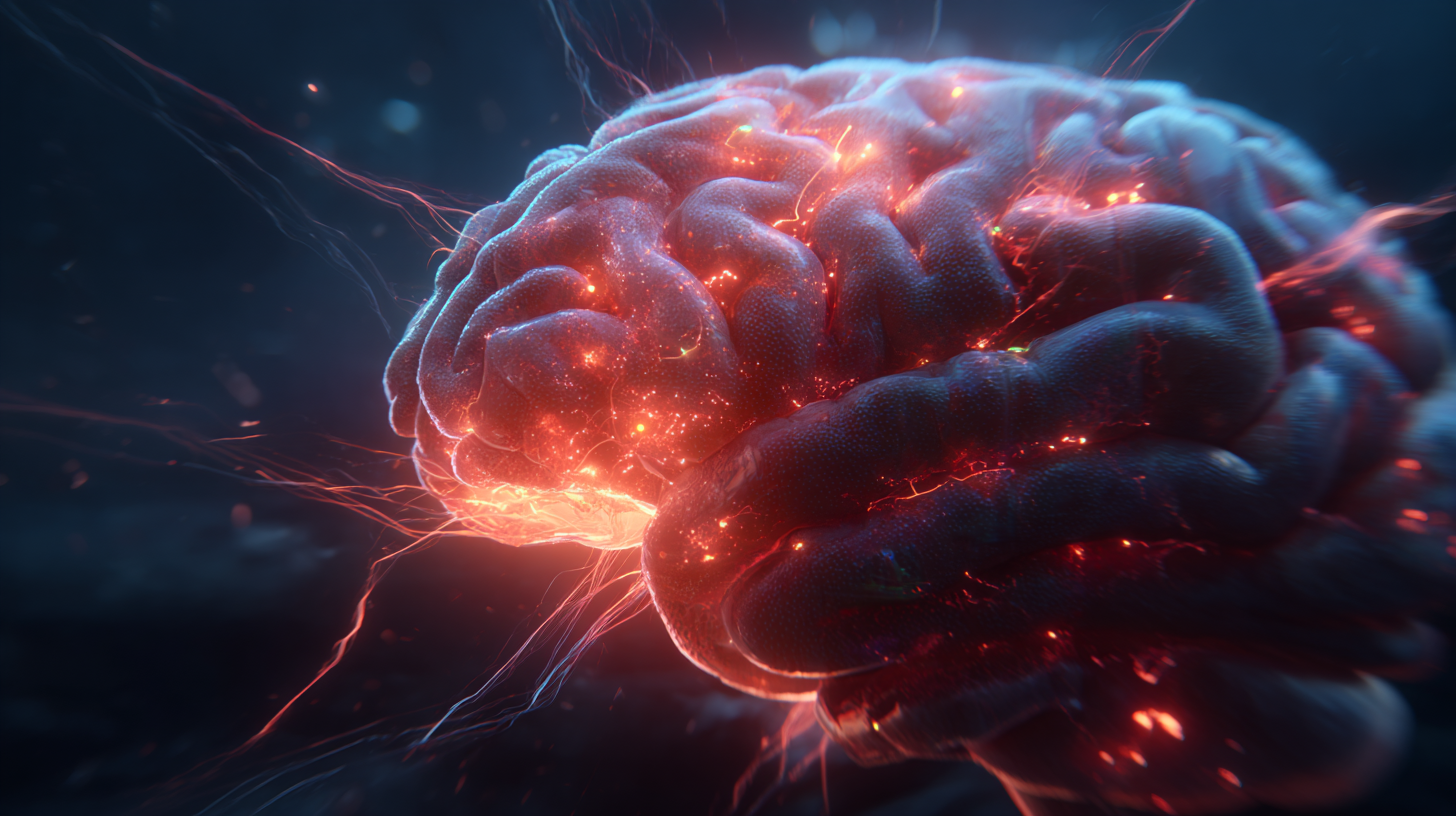
The ventral striatum, a part of the brain’s reward system, lights up, releasing dopamine —
the same chemical linked to pleasure and addiction.
A 2009 Neuron study showed that near-misses triggered almost identical dopamine bursts as real wins.
The gambling industry knows this well — which is why modern slot machines are engineered to produce near-misses.
In a 1986 Journal of Gambling Studies paper, researchers found that increasing near-miss frequency boosted player engagement by 30%.
My own story?
Last week, I bet on a long-shot horse with 10x odds.
It lost by a neck.
That night, I opened the betting app again for “revenge.”
My loss doubled.
The brain had already decided: “You were so close — it’s your turn next.”
2. Dopamine’s Trick — When Anticipation Becomes Addiction
Why does the near-miss feel so powerful?
Because dopamine doesn’t just respond to rewards — it responds to expectations.
Neuroscientist Wolfram Schultz discovered that dopamine spikes not when we win,
but when reality exceeds our expectations.
So a complete loss? No reaction.
But a near-win? That’s the sweet spot — the brain says,
“You’re right there, keep going.”
That’s how the loop of addiction starts.
Japanese research from Kurihama Medical Center shows that in gambling addicts,
the dopamine system overreacts so strongly that normal joys — food, rest, relationships —
lose their appeal.
Even on X (formerly Twitter), you’ll see posts like:
“I almost hit 777, can’t believe it.”
“Lost 1v3 in a game — so close.”
That frustration isn’t weakness — it’s chemistry.
Dopamine wants closure, not peace.
When I was deep into pachinko years ago, I remember saying “just one more spin” —
over and over.
Now, when that urge comes, I remind myself: It’s just a brain glitch.
Awareness is the antidote.
3. The “Unfinished Business” Curse — Zeigarnik Effect in Action
Another factor at play is the Zeigarnik Effect —
the mind’s tendency to remember unfinished tasks more vividly than completed ones.
A near miss is exactly that: an unfinished win.
Your brain can’t stand leaving it open, so it obsesses.
It’s like leaving a checkbox unticked on your to-do list.
Neuroscientist Nobuko Nakano has described this as “the pleasure of incompletion,”
which amplifies addiction by trapping you in a feedback loop.
You can see it in gaming and work too —
“Almost got that promotion,” “Almost cleared that stage.”
The brain doesn’t distinguish between poker and PowerPoint.
Unfinished = unforgettable.
4. How to Break the Cycle — Outsmarting the Reward System
So how do we escape this mental loop?
Start with awareness.
Behavioral economist Daniel Kahneman’s loss aversion theory says:
“The pain of losing is twice as strong as the pleasure of winning.”
That’s why “almost winning” hurts so much more.
A few mental countermeasures:
- 🧠 Self-monitoring: Set a rule — “If a near miss happens, I stop.”
- 🌳 Alternative rewards: Replace gambling dopamine with walks, reading, or creative work.
- 🧘 Mind labeling: When frustration hits, think: “This is just my brain tricking me.”
My own rule is simple: “Set a monthly loss limit.
If I feel that ‘almost!’ rush — I log out.”
Since then, my spending has halved.
Knowing the mechanism makes it easier to resist it.
5. Conclusion — Turning the Trap Into a Tool
“I almost won!” is one of the brain’s sweetest lies.
But understanding it turns that lie into insight.
That same energy — that almost — can be fuel.
Motivation to train harder, study deeper, try again.
The difference between addiction and ambition is awareness.
So next time you whisper “I was so close,”
smile — you just caught your brain in the act.
If this hit home, drop a comment.
Maybe we’re all just chasing that perfect “almost.”
(References: Journal of Gambling Studies, Neuron, Kurihama Medical Center reports, Nakano Nobuko interview, and X post analyses.
Yes, I went too deep. Again.)