
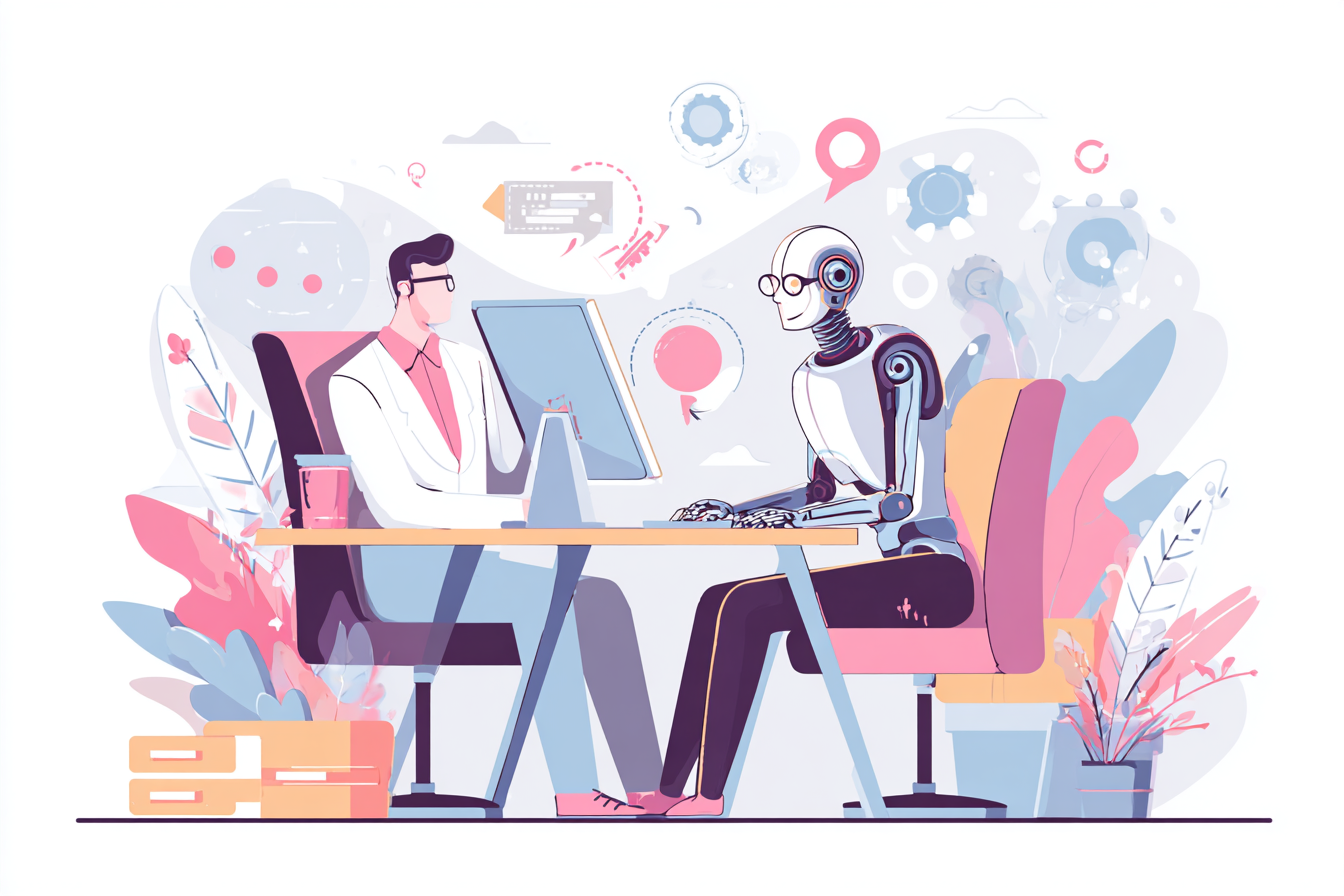
Every day, you spend hours answering emails, organizing files, managing schedules, and handling repetitive work. None of it is difficult—but all of it quietly drains your time and energy.
In 2026, the biggest productivity gap isn’t between smart and average people.
It’s between those who automate—and those who don’t.
Artificial intelligence is no longer just a “future tool.” It’s already powerful enough to handle many daily tasks better, faster, and cheaper than humans.
The question is simple:
Which tasks should you let AI handle—and which still need a human touch?
Here are five essential tasks you should automate now if you want to save time and focus on what truly matters.
1. Email Management and Responses
Email is one of the biggest hidden productivity killers.
Most professionals spend 1–3 hours per day just reading, sorting, and replying to messages. Over a year, that’s hundreds of hours.
What AI Can Do
Modern AI tools can now:
- Sort emails by priority
- Filter spam and promotions
- Draft replies automatically
- Summarize long threads
- Suggest follow-ups
Instead of starting every email from scratch, you review and edit AI-generated drafts.
Why It Works
- Reduces mental fatigue
- Speeds up communication
- Prevents inbox overload
- Improves response consistency
What Humans Still Do Better
- Handle sensitive topics
- Negotiate
- Build emotional relationships
Bottom Line
Let AI handle routine emails. You handle important conversations.
2. Scheduling and Calendar Management
Meetings, appointments, reminders, rescheduling—calendar management eats more time than most people realize.
And most of it doesn’t require human judgment.
What AI Can Do
AI scheduling tools can:
- Find mutual availability
- Book meetings automatically
- Adjust schedules when conflicts arise
- Send reminders
- Manage time zones
Some systems even negotiate meeting times for you.
Why It Works
- No more email back-and-forth
- Fewer missed meetings
- Better time blocking
- Less administrative stress
What Humans Still Do Better
- Decide strategic priorities
- Set boundaries
- Evaluate meeting importance
Bottom Line
Automate logistics. Control strategy.
3. Data Entry and Document Processing
If you still manually input data in 2026, you’re wasting valuable time.
AI now excels at handling structured information.
What AI Can Do
AI systems can:
- Extract data from PDFs and invoices
- Read scanned documents
- Fill spreadsheets automatically
- Process forms
- Categorize records
This applies to finance, accounting, HR, sales, and operations.
Why It Works
- Eliminates human error
- Speeds up workflows
- Reduces labor costs
- Improves data accuracy
What Humans Still Do Better
- Verify unusual cases
- Handle exceptions
- Make judgment calls
Bottom Line
Let AI process information. You analyze it.
4. Content Drafting and Research
Writing, researching, and organizing information takes time—even for skilled professionals.
AI dramatically reduces this workload.
What AI Can Do
AI can now:
- Generate blog drafts
- Summarize articles
- Create outlines
- Compile research
- Rewrite content
- Translate languages
Instead of starting from zero, you start from 70–80% complete.
Why It Works
- Faster content production
- Less writer’s block
- More consistent output
- Higher scalability
What Humans Still Do Better
- Add originality
- Ensure accuracy
- Shape voice and tone
- Apply strategic messaging
Bottom Line
Use AI as your first draft assistant. Be the editor-in-chief.
5. Customer Support and FAQs
Customer support is essential—but repetitive.
Most customer questions are predictable.
AI handles these perfectly.
What AI Can Do
AI chatbots can:
- Answer common questions
- Track orders
- Reset passwords
- Handle refunds
- Route complex issues
They work 24/7 without breaks.
Why It Works
- Faster response times
- Lower support costs
- Higher customer satisfaction
- Reduced staff burnout
What Humans Still Do Better
- Handle emotional customers
- Solve complex problems
- Build loyalty
- Manage escalations
Bottom Line
Automate routine support. Humanize complex cases.
Bonus: Why Automation Wins in the Long Run
Automation isn’t about replacing people.
It’s about upgrading them.
When AI handles repetitive tasks, humans gain:
✅ More creative time
✅ Better focus
✅ Higher-quality work
✅ Less burnout
✅ More strategic thinking
The most successful professionals in 2026 are not working harder.
They’re working smarter.
How to Start Automating Today (Simple Plan)
You don’t need to automate everything at once.
Start small.
Step 1: Identify Repetitive Tasks
Ask yourself:
- What do I do every day?
- What feels boring?
- What follows the same pattern?
Step 2: Test One Tool
Choose one area:
- Scheduling
- Documents
- Content
- Support
Automate just that first.
Step 3: Improve Gradually
After 2–3 weeks, expand.
Small improvements compound.
AI vs Human: The Real Balance
Here’s the truth:
AI is better at:
- Speed
- Repetition
- Data processing
- Pattern recognition
Humans are better at:
- Creativity
- Empathy
- Ethics
- Strategy
- Leadership
The future belongs to those who combine both.
Not AI alone.
Not humans alone.
But AI-powered humans.
Final Thoughts
If you’re still doing everything manually in 2026, you’re competing at a disadvantage.
Automation is no longer optional.
It’s a survival skill.
Start with one task.
Automate it.
Free your time.
Reinvest that time in growth.
That’s how modern professionals win.