Article Summary
Most drivers don’t actually need the “best” car insurance. They need the least painful one for their situation.
The biggest regrets come from choosing based on price alone, not how claims are handled.
The smartest picks balance cost stability, claims speed, and policy flexibility.
Understanding why people switch later is more useful than chasing today’s lowest quote.
Choosing car insurance in the U.S. feels simple until the moment it isn’t. In 2026, the companies that look cheapest up front are often not the ones drivers stick with. The insurers below consistently perform well not just on price, but on what actually matters once life gets messy.
The short answer most people miss
There is no single “best” car insurance company. There are only better fits for different driving patterns, risk levels, and tolerance for surprises. People who regret their choice usually optimized for the wrong thing.
Top insurers drivers keep coming back to
GEICO
GEICO remains the default choice for cost-conscious drivers with clean records. Its strength is predictable pricing and a simple digital experience. Where some drivers hesitate is during complex claims, where speed can vary by state.
State Farm
State Farm wins on consistency. Rates are rarely the lowest, but claims handling and local agent access reduce stress after accidents. This is why families and long-term policyholders tend to stay.
Progressive
Progressive attracts drivers with fluctuating risk profiles. Usage-based pricing and flexible underwriting help many people lower costs over time. The tradeoff is that renewal prices can change quickly if driving behavior shifts.
Allstate
Allstate is rarely a bargain, but it appeals to drivers who value coverage clarity and bundled policies. People who regret Allstate usually expected discount pricing rather than stability.
USAA
USAA consistently ranks highest in satisfaction, but eligibility is limited to military families. For those who qualify, the combination of pricing fairness and claims support is hard to beat.
Why people regret their first choice
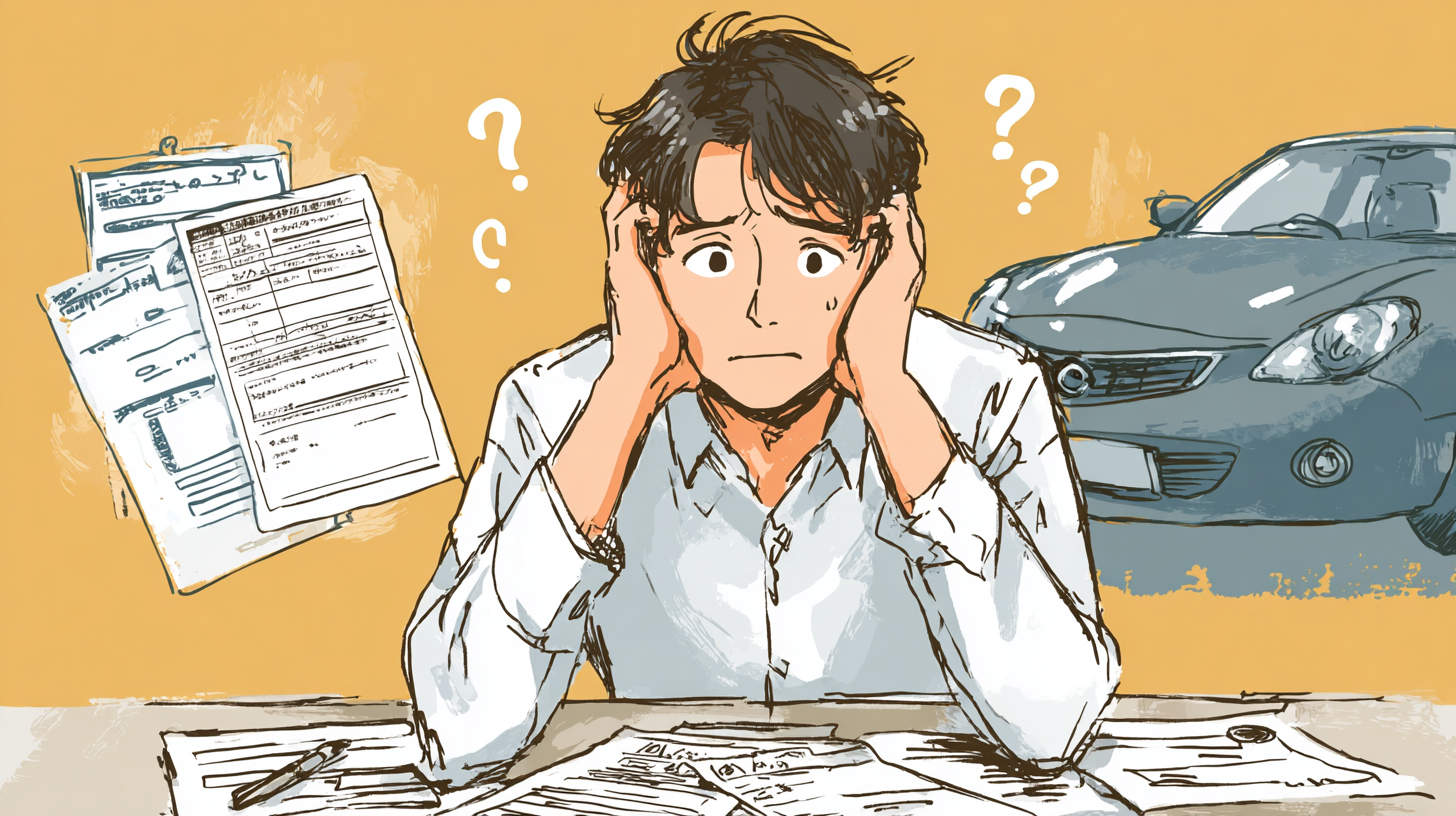
Most frustration comes from misunderstanding how insurance works after an accident. Cheap premiums don’t matter much if claims drag on or coverage gaps appear. Many drivers only learn this after their first real claim.
A smarter way to compare
Instead of asking “Who’s cheapest?”, ask “Who stays reasonable after a claim?” and “How often do people switch away from this company?” Those answers usually point to better long-term value.
The softer conclusion
The best car insurance in 2026 isn’t about chasing the lowest number on a quote screen. It’s about choosing the company you won’t be angry at when you actually need help.
FAQ
Q: What is the best car insurance company in the U.S. right now?
A: There is no universal best option. The right company depends on driving history, location, and how much stability you want after a claim, not just the initial quote price.
Q: Is GEICO still the cheapest car insurance in 2026?
A: GEICO is often among the cheapest for low-risk drivers, but prices vary widely by state and driving record. It’s competitive, not automatically the lowest.
Q: Why do people switch car insurance after an accident?
A: Many drivers discover slow claims handling, unexpected premium increases, or coverage limits only after filing a claim, which often triggers a switch.
Q: Is Progressive good for high-risk drivers?
A: Progressive is popular with drivers who have changing risk profiles because of flexible pricing tools, but renewal costs can rise if driving behavior worsens.
Q: Why is USAA rated so highly?
A: USAA combines fair pricing with strong claims support, but it’s limited to military members and their families, which keeps satisfaction scores high.